
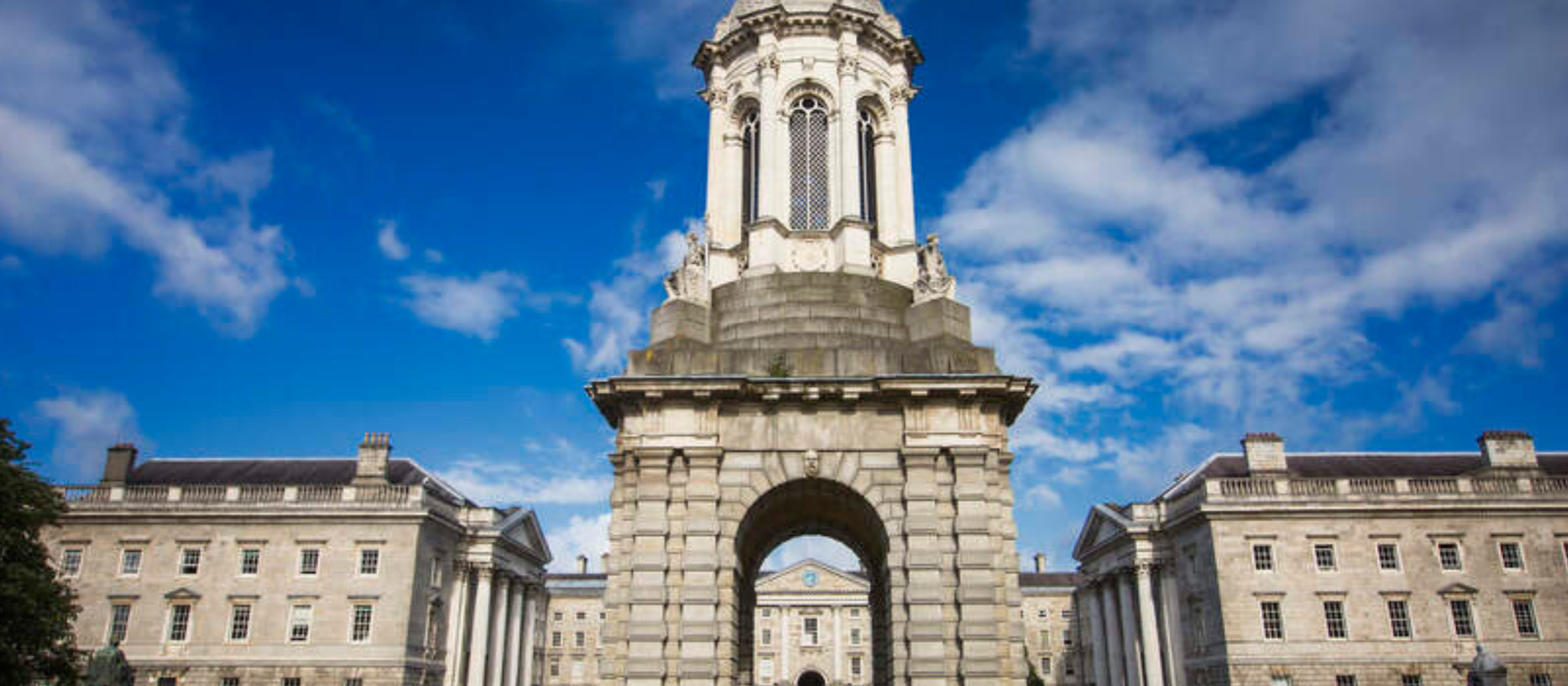
Trinity College sits right at the heart of Dublin city centre. More famed recently as the setting of the much loved series Normal People, the college's significance to the city of Dublin goes much further back than that. Most significantly, as the home to the Book of Kells.
And if you're visiting Dublin for the first time, you're likely planning a visit to see the Book of Kells, an ancient manuscript that draws visitors from across the globe. To help you prep for your trip, we thought we'd share a few fun facts about the Book of Kells to help transform it from a simple old text into a breathtaking historical adventure.
This guide covers 10 incredible facts about the manuscript, exploring its origins and survival, before showing you the most hassle-free way to reach Trinity College.
1. It Is Over 1,200 Years Old
The sheer age of the manuscript is hard to get your head around. Monks crafted this masterpiece around 800 AD and historians believe the work originally began on the Scottish island of Iona before the monks eventually moved the operation to Ireland.
2. It Survived a Brutal Viking Raid
The book made its way from Iona in Scotland to County Meath in Ireland under very dramatic circumstances. After a fierce Viking raid on Iona in 806 AD where 68 monks tragically died, the survivors fled for safety to the monastery of Kells with their manuscript in hand.
3. A Whole Herd Went Into Its Creation
The monks didn't use standard paper to create this historic text. The manuscript consists of vellum, which is carefully prepared calfskin. The 680 pages contain 340 vellum leaves, which historians have estimated would have required the skins of approximately 185 calves.
4. The Pigments Are Surprisingly Local
One of the most remarkable things about The Book of Kells is the vibrant and intricate text colours which can still be seen today. An old myth suggested the bright blue ink came from exotic lapis lazuli. However, recent tests by Trinity College revealed the blue actually came from a local flowering plant called woad. Other pigments are thought to have come from local gypsum and lichen.
5. It Is Packed With Hidden Symbolism
The manuscript is a prime example of the Insular art style, but it holds deep symbolic meaning beyond this. Look closely at the intricate details. You'll find snakes shedding their skin to represent resurrection, peacocks symbolising immortality and lions reflecting the story of Christ.
6. The Monks Made a Few Mistakes
The text contains the four Gospels of the New Testament in Latin, but the young scribes were still learning and not completely fluent. They made several errors throughout the pages as well as some amusing additions that we're not sure the elder monks would have signed off on! You can find repeated lines and even margins where tired monks scribbled notes like, "I am tired of this!"
7. The Pages Are Not Turned Every Day
Many people believe someone turns a page of the book every single morning, but that's not true. For preservation purposes, the staff only turn the pages every six to eight weeks. In 1953, the book was divided into four volumes so that some parts can rest in climate-controlled safety while others remain on display.
8. It Shares DNA With the Mona Lisa
Modern technology plays a massive role in keeping the book safe today. The state-of-the-art display case holding the text in the Treasury was built by Goppion. This is the exact same company that built the highly secure protective cases for the Mona Lisa and the Crown Jewels.
9. It Was Not Meant to Be Read Aloud
The manuscript was designed as a ceremonial and visual masterpiece to sit on an altar, rather than a functional book for daily reading. The elaborate, microscopic details were meant to inspire awe in people who rarely saw visual art. While it may have been used on occasions for recitals in mass, its primary intention was to be a visual celebration of faith rather than a textbook.
10. Trinity College Has Kept It Safe Since 1661
Bishop Henry Jones presented the book to Trinity College Dublin for safekeeping in 1661. It has remained the crown jewel of the Old Library ever since, safely guarded and admired by millions of travellers over the centuries.
Let Us Get You to Dublin
Hopefully these facts about the Books of Kells have you looking forward to your visit to Dublin. The only other things to think about now is how to get there and this trip you're planning shouldn't be bogged down by the hassle of travel logistics.
Our 700 and 700X routes run 24/7 from Dublin Airport to Dublin City Centre up to every 15 minutes, dropping you right in the city centre. Stops at Kildare Street or O'Connell Bridge are just a short walk to Trinity College. We also offer highly convenient intercity connections in Ireland for folks traveling from Cork, Belfast or Derry/L'Derry.
Book your bus to Dublin today for the most affordable fares and a guaranteed seat, and let us help get you exactly where you want to go.